

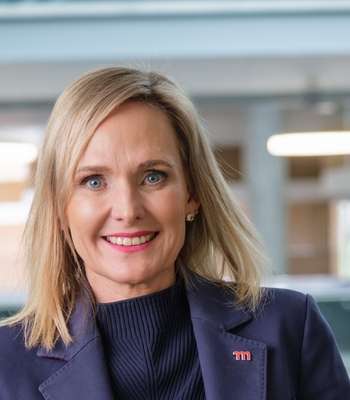
Kersti Stevens | The retirement mistakes that can leave you financially exposed, Kersti Stevens, Financial Adviser: Momentum Financial Planning
Retirement is not the finish line after decades of hard work. In reality, it marks the beginning of a new chapter, one that should provide the freedom and financial security to enjoy the lifestyle people have spent years building. Yet one of the most significant and frequently underestimated retirement risks is running out of money before running out of life.
As the world observes the International Day of Older Persons in October, financial experts are encouraging South Africans to rethink retirement as an ongoing journey rather than a single destination. Understanding what causes retirement funds to run out sooner than expected helps to build a strategy that adapts to changing circumstances.
The size of the pot isn't everything
One of the most common misconceptions about retirement planning is that accumulating a specific lump sum automatically guarantees financial security. While reaching a savings milestone is important, what determines financial safety in retirement is income sustainability. How effectively that capital can generate a steady, predictable cash flow over several decades. Factors such as investment structure, asset allocation, taxation, and withdrawal strategy play a major role in determining whether a retirement fund lasts 10 years or 35 years.
Living longer requires a longer plan
Advances in healthcare, medicine, and living conditions mean that South Africans are living longer than previous generations. While longevity is a positive, the downside is that it makes retirement planning more challenging. A retirement plan structured around a traditional 15-to-20-year horizon risks leaving an individual financially stranded in their later years if their retirement lasts for 30 or more years. Ensuring that capital can continue growing during retirement is key to sustaining an income over an extended timeframe.
Inflation quietly erodes purchasing power
Inflation is one of the biggest threats to fixed retirement incomes. Even at moderate levels, the compound effect of rising prices over two or three decades significantly reduces purchasing power.
An income that comfortably covers basic living expenses and leisure activities at age 65 may buy considerably less by age 80. To counter this, a retirement income strategy must incorporate elements that allow for growth above inflation, rather than relying exclusively on low-risk, fixed-yield instruments that are not able to keep pace with cost-of-living increases.
Escalating healthcare expenses
While general consumption expenses may decrease or stabilise later in life, healthcare costs tend to increase. Medical scheme contributions, gap cover, out-of-pocket medical expenses, and potential long-term care needs can become substantial financial demands.
Underestimating healthcare expenses in later years is a frequent point of friction in retirement budgets. Proactively accounting for rising medical costs and maintaining adequate medical cover helps protect an individual’s core capital from being rapidly drawn down by unforeseen medical needs.
Early spending can have lasting consequences
Maintaining a pre-retirement lifestyle without adjusting for the realities of capital preservation can quickly deplete a retiree’s savings. The first few years of retirement often involve increased spending on travel, hobbies, or home improvements. However, withdrawing too much too early is risky. High drawdowns during the early years - especially if these drawdowns are aligned with market downturns - permanently reduce the underlying capital base. With less capital remaining to generate future returns, recovering lost ground becomes much more challenging, compromising the fund's longevity.
Retirement planning requires ongoing attention
In short, managing retirement risk is not a one-time effort. It requires ongoing review and adjustment before and during retirement. Risk is reduced by regularly evaluating withdrawal rates, rebalancing portfolios, and adjusting spending expectations in response to market conditions.
When you rethink retirement as a continuous journey rather than a fixed outcome, you become more resilient to any uncertainties you will undoubtedly face. As we assess our long-term plans, one of the most important questions we need to ask ourselves is whether our money will keep up if we live longer than expected. Partnering with a qualified financial adviser can provide valuable guidance in reviewing income needs and longer-term goals, helping to ensure that a retirement plan remains relevant as circumstances change.
*Kersti Stevens is Financial Adviser: Momentum Financial Planning.





 Insurance Biz proudly displays the "FAIR" stamp of the Press Council of South Africa, indicating our commitment to adhere to the Code of Ethics for Print and online media which prescribes that our reportage is truthful, accurate and fair. Should you wish to lodge a complaint about our news coverage, please lodge a complaint on the Press Council's website, www.presscouncil.org.za or email the complaint to enquiries@ombudsman.org.za. Contact the Press Council on 011 4843612.
Leave a Comment