
Zanele Gigaba | Understanding flood risks and insurance cover as severe weather hits SA
As weather patterns become increasingly unpredictable, property owners must ensure they have the correct insurance policies to cover potential financial losses.
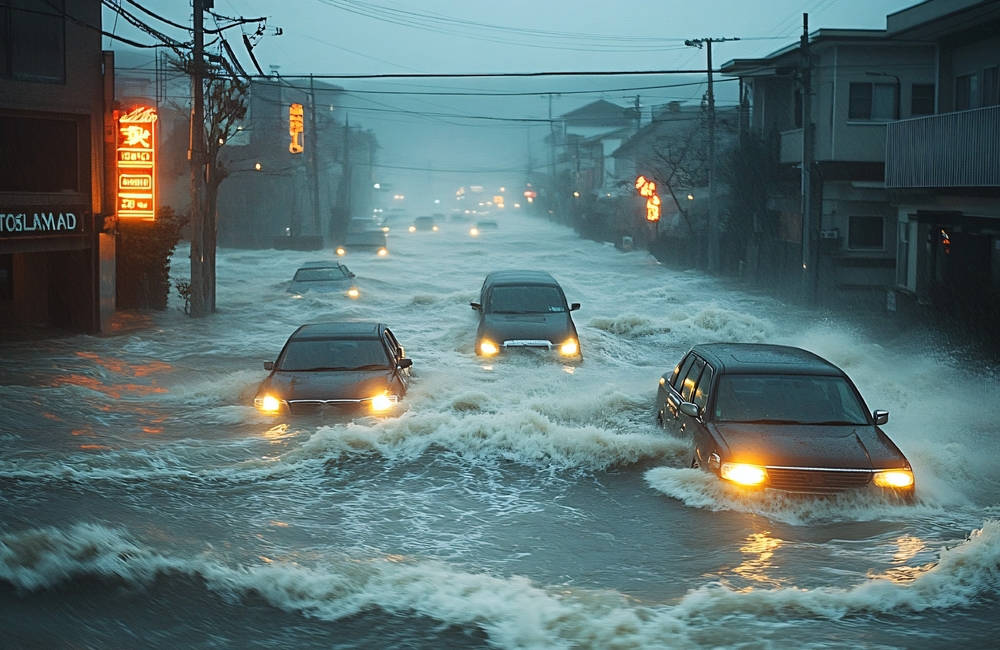
As we recently witnessed, severe weather across the country, including heavy rainfall, storm surges and localised flooding, caused extensive damage to homes, infrastructure and personal property. Many people were left with unmanageable financial problems.
Non-life property insurance is designed to alleviate this stress and pay for the repair, replacement or rebuilding of damaged structures and the loss of household contents.
Property Insurance Coverage
- Immediate emergency assistance: Some insurers provide a small upfront cash settlement to help you through the immediate problems after a flood. This is so you can buy urgent necessities like clothing and toiletries before your main claim is settled.
- Alternative accommodation: Most insurance policies cover the cost of temporary furnished accommodation if flood damage requires you to move out of your home while repairs or rebuilding take place. If you have insured your building and its contents with different companies, notify all insurers so they can coordinate the costs. In many cases, one insurer will arrange the accommodation and recover a proportionate share of the expense from the other.
- Emergency repairs and documentation: You may need to do some immediate repairs to prevent further damage to your property but be sure to notify your insurer before you start. The burden of proof rests with you, which means you must photograph all damage before it is repaired and keep all receipts for materials and labour to ensure your claims are paid.
- Garden and landscape restoration: Most policies cover the cost of clearing flood debris and restoring damaged gardens and grounds.
There are, however, specific exclusions of which you should be aware.
Common grounds for claim rejections or reduced settlement:
- Under-insurance: This means your insured sum is lower than the actual cost of rebuilding your home or replacing its contents at current retail prices. Make sure your policy covers all assets at full replacement value.
- Unauthorised structures: If any structure is not included in the official building plans approved by your local municipality, insurance may not cover the cost of a rebuild.
- Poor workmanship: If your property was not built in accordance with national building standards, the insurer may reject your claim. Insurance policies exclude damage caused by defective construction.
As climate variability intensifies, consumers are encouraged to understand how insurance can help mitigate the financial impact of flooding and water-related damage.
Driving in flood conditions
Always check official weather alerts and plan routes to avoid low-lying and flood-prone areas before travelling. Heavy rain reduces visibility and increases braking distances. Below are a few tips if you do drive during a storm:
- If conditions appear dangerous, turn back.
- Do not attempt to drive through standing water or across flooded bridges. Shallow, moving water can sweep a vehicle off the road or cause you to lose control, and floodwater often hides deep potholes, debris and structural road collapse.
- Keep your headlights on.
- Reduce speed and double your following distance.
- If your vehicle becomes stranded in rising water, abandon it immediately and move to higher ground.
Remember, prevention is the best course of action. Check your home policies and ensure any building plans are legitimate. If you must travel, check the weather conditions and do a thorough safety check on your vehicle: windscreen wipers, brakes and lights, including indicators.
*Zanele Gigaba, Transformation Manager, South African Insurance Association.









 Insurance Biz proudly displays the "FAIR" stamp of the Press Council of South Africa, indicating our commitment to adhere to the Code of Ethics for Print and online media which prescribes that our reportage is truthful, accurate and fair. Should you wish to lodge a complaint about our news coverage, please lodge a complaint on the Press Council's website, www.presscouncil.org.za or email the complaint to enquiries@ombudsman.org.za. Contact the Press Council on 011 4843612.
Leave a Comment