
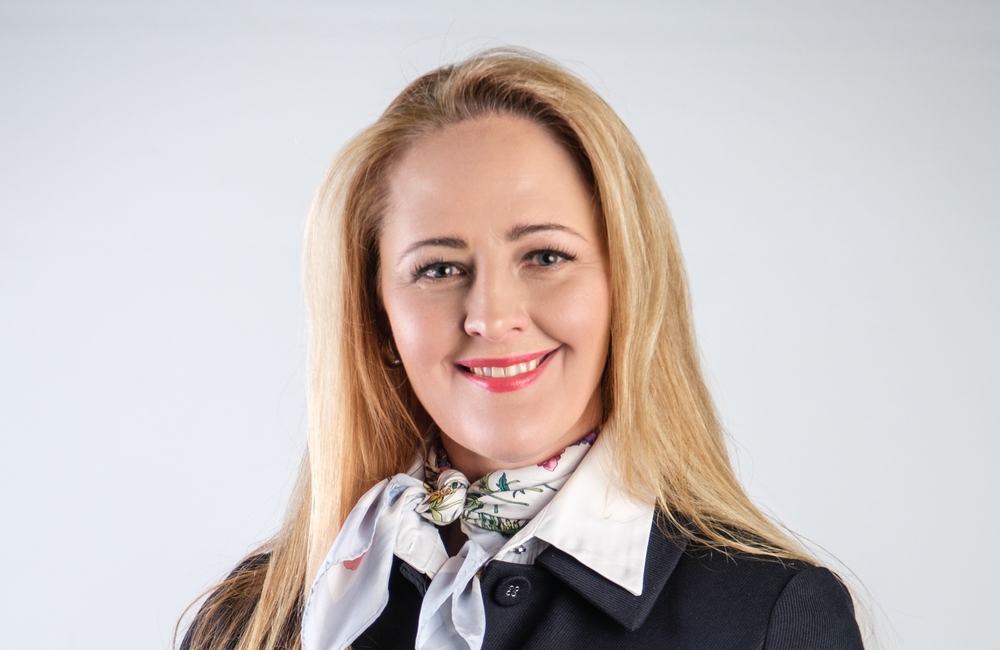
Therèse Havenga | The retirement risk women rarely talk about
Women are often praised for the care they give so instinctively – for being available, adaptable, dependable and willing to put others first. Yet these are often the very qualities that quietly make them financially vulnerable.
As Momentum celebrates the eighth season of She Owns Her Success this Women's Month, we speak warmly about strength, sacrifice and resilience. And women deserve every bit of that recognition. But perhaps we also need to ask a more uncomfortable question: What happens when a lifetime of caring for others slowly chips away at a woman’s own future security?
Care may be given from love, but it’s not without cost. For many women, that cost only becomes visible much later – in a smaller retirement balance, a delayed career trajectory or the realisation that while she was protecting everyone else’s future, she kept postponing her own.
Retirement vulnerability doesn’t usually arrive suddenly at 60 or 65. It’s built quietly, through a hundred sensible decisions that feel small at the time.
She takes the flexible role because someone must be available for school pickups. She pauses her career because a baby, a parent, a partner or a crisis needs her. She uses money meant for herself to cover school fees, medical shortfalls or a family emergency. She tells herself it’s temporary. Just until things settle.
But retirement has a long memory.
The financial world likes neat lines: income, contributions, investment return, retirement date. Women’s lives often look less like straight lines and more like loops, bends and restarts. Retirement savings reward the uninterrupted: early contributions, steady growth and time in the market.
So, when women step out, slow down or redirect money to others, they lose more than the amount visible on a payslip. They may lose employer contributions, years of compounding and career momentum.
This is the compounding cost of care. It’s the increase not earned. The senior opportunity that arrives while she is unavailable. The pension contribution reduced because one income stretches across more lives.
Women are more likely to experience interrupted careers, lower lifetime earnings and longer retirements, making it more challenging to build sufficient retirement savings. These realities make proactive financial planning more important than ever. Yet Momentum's Women and Financial Advice study found that while 79.3% of women are the primary financial decision-makers in their households, only 4.1% use a certified financial adviser. This suggests many women are carrying significant financial responsibility without the benefit of professional guidance that could help strengthen their long-term retirement planning.
This matters because women are too often told to “save more”, as if the problem is simply discipline. But many women are already disciplined.
There’s also a psychological layer we underestimate. Many women are socialised to be the emotional shock absorbers of families. Protecting retirement can feel less urgent than rescuing someone else today.
And then, one day, a woman suddenly realises that while she was holding everyone else’s life together, her own future became the thing she kept postponing.
This is where a financial adviser can make a real difference by helping women plan around the realities of their lives. Who depends on her income? If she carries family responsibilities, how are those costs being shared? If she steps out of paid work for care, can contributions continue in some form? These are deeply personal questions that deserve careful advice.
Families need these conversations too.
It’s never too late to bring your future-self back into the room. Increase what you can. Preserve what you have. Ask better questions. Negotiate at home, not only at work. Let care include you too.
Women’s Month should celebrate what women carry. But it should also ask what carrying so much has cost them and will cost them.
*Therèse Havenga is Momentum Savings' Head of Business Transformation.





 Insurance Biz proudly displays the "FAIR" stamp of the Press Council of South Africa, indicating our commitment to adhere to the Code of Ethics for Print and online media which prescribes that our reportage is truthful, accurate and fair. Should you wish to lodge a complaint about our news coverage, please lodge a complaint on the Press Council's website, www.presscouncil.org.za or email the complaint to enquiries@ombudsman.org.za. Contact the Press Council on 011 4843612.
Leave a Comment