
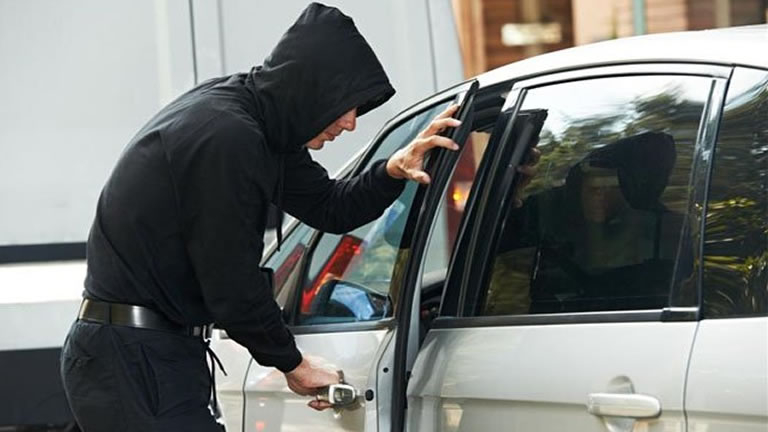
Remote jamming – do not become another statistic
Johannesburg - For any South African, becoming a victim of remote jamming (this is the practice where thieves jam the signal from the immobiliser to the car so it does not lock even when the owner presses the ‘lock’ button) is a very real threat. Now, imagine after experiencing such an ordeal, what it would be like to discover that your laptop or the expensive sports equipment that was stolen from your car, is not covered by your insurance policy because there were no signs of forced entry.
“This is a devastating scenario and can leave many out of pocket if not adequately insured,” says Christelle Colman, spokesperson for Old Mutual Insure. “Many people think that most insurers won’t pay out in such a scenario, but this is not always the case. Worse, some people assume that they are covered, but then find out when it is too late that their policy doesn’t cover theft during remote jamming.”
Colman urges all vehicle users and policyholders to ask their broker or check that they are adequately covered for such incidents, especially since it is not only traumatic to fall victim to vehicle jamming, but it could also be very costly if not insured.
“We have seen an alarming increase in the number of remote-jamming incidents taking place,” she says.
The most recent crime statistics released by the South African Police Service (SAPS), support this trend, as it showed 4 513 carjackings in the first quarter of 2021 – a 4.9% increase over the same period last year. According to the report, carjackings took place mostly in formal and non-formal residences in the country’s townships followed by suburbs in urban areas. Remote jamming is one of the methods that thieves use to steal cars and/or valuable items left in the car.
“Most vehicle and gate remotes operate on the same frequency, making it easier to interfere with the signals. Thus, a driver will be under the impression they’ve locked their vehicle while they haven’t. This often happens outside of shopping centres, airports, or other places of interest,” explains Colman.
Due to the increase in incidents of remote jamming, Old Mutual Insure’s policies cover items stolen from unoccupied motor vehicles, even if there are no visible signs of forced entry, provided some conditions are met.
While it is reassuring to know you could be covered, the best scenario is to avoid the trauma that comes with being a victim of remote-jamming, which is something that can be prevented, with heightened vigilance and extra precaution.
Below are Colman’s tips for South Africans when exiting their vehicles.
- Firstly, make sure your vehicle is properly locked. Don’t just press your vehicle alarm and walk away. Always make sure by testing to see if you can open your vehicle door after activating the alarm. If your door opens, get in and drive away. Chances are that the criminals are watching you from nearby.
- Always be aware of your surroundings and be aware of suspicious individuals lingering around the parking area.
- Listen for the sound that your car makes when it locks. Wait and watch the car lights flash to indicate it is locked. Physically try to open your door to ensure it doesn’t open before walking away.
- Park as close to the entrance of the shopping centre as possible as there are always a lot of people and movement in this area, or in the full view of a camera. Having said that, many criminals are brazen, so be aware of the activity around you.
- Report suspicious-looking people to security or move your car to a safer place.





 Insurance Biz proudly displays the "FAIR" stamp of the Press Council of South Africa, indicating our commitment to adhere to the Code of Ethics for Print and online media which prescribes that our reportage is truthful, accurate and fair. Should you wish to lodge a complaint about our news coverage, please lodge a complaint on the Press Council's website, www.presscouncil.org.za or email the complaint to enquiries@ombudsman.org.za. Contact the Press Council on 011 4843612.
Leave a Comment