

Fanus Coetzee | The evolving role of the insurance broker
Whatever the economic backdrop, brokers remain the powerhouse of traditional insurance. Notwithstanding this, broker-insurer relationships have been tested in recent years due to tough underwriting actions implemented by insurers in response to global and national catastrophe events such as the COVID-19 pandemic, the July 2021 civil commotion in South Africa, and the April 2022 Kwa-Zulu Natal floods, and several severe flooding events in 2023.
Disciplined underwriting is the gatekeeper of profitable, sustainable insurance – and actuarial pricing, risk modelling, and risk selection are non-negotiable to balance top-line premium with sustainable margins. Setting the right price, is therefore crucial to the longevity of the sector.
Brokers play a critical role in bridging and communicating these underwriting actions in the context of significant changes in the local and global risk landscape to consumers and businesses. Risk management advice must therefore shift the narrative from price to value and risk mitigation – to help clients understand the rationale behind underwriting interventions.
Good progress is being made here as brokers become proactive risk advisers without compromising on disciplined underwriting requirements. Insurers must assist brokers to stand out as insurance experts during client interactions by creating unexpected value that goes beyond insurance. Customer experience (CX), enhanced through the broker channel, is becoming an important strategic lever in a market dominated by price.
Despite the rising trend of direct-to-consumer insurance observed in the industry for a number of years, the broker channel remains key. While entry-level personal lines clients are often more efficiently served by direct insurers, as the client's needs and assets evolve, the need for risk advice then leans towards purchasing through a broker.
From risk transfer agent to trusted risk adviser
Encouragingly, the Santam Insurance Barometer Report indicates that great strides have been made in building a risk-aware approach to insurance over the past two years, with 90% of broker respondents reporting they view themselves as risk advisors or risk managers.
Brokers must assess each client's unique risk landscape using the full range of tools at their disposal and recommend affordable, risk-appropriate solutions tailored to each unique risk profile. Proactive risk management can span from geospatial modelling of on-the-ground risks, to constructs like excess structures and self-insurance where appropriate. At the extreme, brokers are well placed as trusted advisors to have a tough conversation about building protection or potentially relocating a client's manufacturing facility, warehouse, or another fixed asset if, e.g. it is located along a flood line.
Insurers have a role to play in supporting brokers to build their risk advisory capabilities. By way of example, Santam's SmartProtect platform provides both brokers and consumers – whether Santam clients or not – with access to expert advice and third-party service providers for risk management installations – an added benefit is enhanced customer experience. We've also invested in a Risk Identification and Assessment training programme that equips brokers with the skills to assess risks, enabling them to help clients better understand and proactively manage their specific risks.
Sustainable, well-managed businesses that meet scientific underwriting criteria are a benefit to both insurers and brokers, strengthening the overall insurance pool. Risk management is therefore key for sustainable insurance, and sustainable insurance is a key pillar of the domestic economy. It takes a concerted effort between business, broker, and insurer to mitigate risk effectively and maintain uninterrupted business operations.
Shifting the conversation from price to value
According to the Report, competitive pricing remains a key determinant in the insurance buying decision.
Around 43% of brokers (up from 39% in 2023) changed their insurer recommendation following premium increases, while affordable rates (34%) topped the chart as the number one feature brokers look for when dealing with an insurer.
Importantly, business respondents rated excellent service (33%) and a good track record in claims settlement (31%) almost as important as price. In this context, trust, driven by an exemplary claims payment track record and the unexpected value derived from going 'beyond insurance', can give brokers an edge when advising clients on cover options.
Freeing up brokers to take on risk advisory capacity
According to the Report, brokers said they spent almost 40% of their time on administration and compliance (37%). As insurers, it is critical that we help to reduce administrative pressure on brokers so that they can spend more time advising clients on risk management. According to the Report, brokers indicated that insurers can assist by offering efficient and fast claims, pricing, quoting, and servicing.
For insurers, focus should be on two key areas. Firstly, empowering brokers with the information, tools, and training to excel in broker-client interactions. Secondly, investing in technology to enhance operational excellence, including optimised quoting and underwriting decision making, streamlined claims processing and exceptional service throughout the insurance value chain.
Policy clarity was a recurring theme in the Insurance Barometer survey. Transparency and simplicity in communication between insurers, brokers, and clients is critical. By refining processes and providing brokers with clear, actionable insights, insurers can improve the overall client journey. This includes ensuring brokers are equipped to identify gaps in coverage and present tailored solutions that resonate with the unique needs of each client.
Two-thirds of brokers said they wanted a clear breakdown of policy extensions and exclusions. Unfortunately, the varied insurer responses to grid failure and pandemic introduced ambiguity and the potential for differences in interpretation of policy wordings, especially in complex multi-insurer contracts.
Policy wording reviews are crucial to provide consumer-friendly, unambiguous, and understandable explanations of cover.
Looking ahead, close collaboration and transparent communication between insurers, brokers, and clients is essential to shift the narrative to one where proactive risk management dominates.
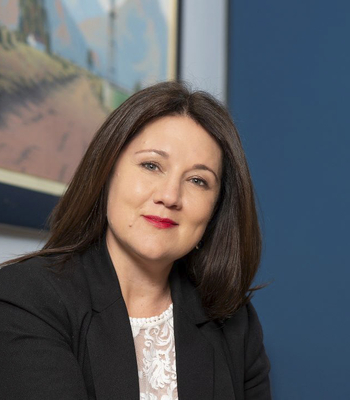
*Fanus Coetzee is Chief Executive Officer at Santam Broker.





 Insurance Biz proudly displays the "FAIR" stamp of the Press Council of South Africa, indicating our commitment to adhere to the Code of Ethics for Print and online media which prescribes that our reportage is truthful, accurate and fair. Should you wish to lodge a complaint about our news coverage, please lodge a complaint on the Press Council's website, www.presscouncil.org.za or email the complaint to enquiries@ombudsman.org.za. Contact the Press Council on 011 4843612.
Leave a Comment