

Four myths that leave you financially exposed to severe illness
Johannesburg - A cancer diagnosis, heart attack or stroke can turn a household’s finances upside down even when medical aid and gap cover are in place. Although these products meet much of the cost associated with diagnosis, emergency care and standard ongoing treatment, they are not designed to cover the wider financial consequences of severe illness.
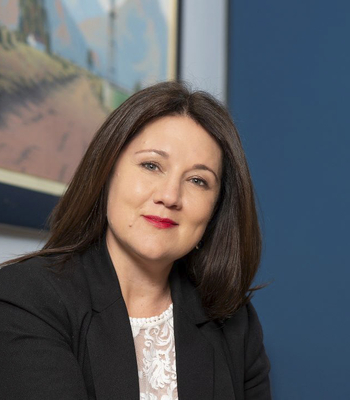
You and your family may have to find money for additional medical care, to make changes around the home or pay for a host of unexpected day-to-day expenses, all while dealing with reduced or lost income. Lulama Mrara, Regional Manager at Old Mutual Personal Finance, says consumers tend to underestimate the costs of dealing with severe illness.
“As South Africans, we are at risk of not being able to maintain our lifestyles when severe illness strikes because we do not have financial recovery plans in place,” she says. She encourages households to work towards a savings and protection plan to absorb financial shocks without taking on debt or raiding retirement savings.
Understanding the four common misconceptions about how medical aid and other insurance products respond to a severe illness is a great place to start.
Myth 1: Your medical aid and gap cover will take care of everything
Medical aid and gap cover are the first line of defence against the cost of serious illness. Medical aid pays qualifying medical expenses in accordance with the scheme and plan rules, while gap cover may help with certain defined shortfalls and related costs, subject to the policy terms. The problem arises when households assume that having both these covers means there is little else to worry about financially.
Mrara points out that treatment choices themselves can create additional costs. While medical aid may cover qualifying treatment, some newer, specialised or advanced treatment options may not be covered in full or may only be available in limited locations” she says. Severe illness cover pays a lump sum following a qualifying diagnosis, providing cash to help with these and other non-healthcare costs.
Myth 2: Medical bills will be your biggest financial problem
Hospital and specialist bills may be the most obvious cost following a serious illness, but they are only one part of the financial fallout. Someone recovering from a stroke may need alterations to the home or assistance with everyday tasks, while a person undergoing cancer treatment could spend weeks or months away from work.
“Once the medical aid has paid qualifying expenses, households may still face significant costs and income pressure.” Mrara says. A household can have comprehensive medical cover and still struggle financially if income is interrupted while the bond, groceries, school fees and other commitments continue. The protection need thus goes far beyond whether or not you can afford treatment.
Myth 3: Disability cover does the same job
Severe illness and disability cover are sometimes confused because both can come into play following a serious health event. In reality, they respond to very different circumstances. Severe illness cover provide a lumpsum benefit when the requirements for a covered condition are met, subject to the policy wording, whereas disability cover responds when an illness or injury affects your ability to work or function, again per the policy conditions.
You can suffer a serious illness without meeting the requirements for a disability claim, while an illness or injury can also result in disability without triggering a severe illness benefit. These covers have to be treated as complementary parts of a household’s overall protection plan.
Myth 4: Severe illness cover can wait
It is easy to push severe illness cover down the priority list. Delaying the decision leaves your household exposed and makes the cover more expensive or difficult to obtain later. Your age and health affect the premiums, exclusions and the terms on which an insurer will offer cover.
“Consumers should think about severe illness cover as part of a broader financial recovery plan, not simply as protection against the cost of treatment. With the help of a financial adviser, households can assess how they would manage additional expenses, interrupted income and changing family needs if a severe illness alters their financial circumstances,” Mrara concludes.





 Insurance Biz proudly displays the "FAIR" stamp of the Press Council of South Africa, indicating our commitment to adhere to the Code of Ethics for Print and online media which prescribes that our reportage is truthful, accurate and fair. Should you wish to lodge a complaint about our news coverage, please lodge a complaint on the Press Council's website, www.presscouncil.org.za or email the complaint to enquiries@ombudsman.org.za. Contact the Press Council on 011 4843612.
Leave a Comment