

Damian McHugh | Health decisions in your youth will define your future
We often think that health is the absence of illness, but that couldn’t be further from the truth, and it can be particularly dangerous, especially when you're young and feel invincible. This Youth Month, I want to challenge that mindset, because the decisions you make about your health right now – in your 20s and 30s – will shape everything else that follows; your career trajectory, your ability to pursue your dreams, your financial security and success, and even your relationships. None of it happens if you don't have health.
The illusion of health as an absence of disease
Health isn't something you can put off and catch up on later, the way you might with other things. It compounds in the opposite direction. Financial planners often talk about the power of compound interest, referring to how R1 invested at age 25 can multiply dramatically by the age of 65, while R1 invested at 60 years of age has almost no time to grow. The same principle applies to health. The habits you skip now, the check-ups you delay, the preventative steps you ignore; they all add up. By the time you realise how valuable health is, you might already be paying an enormous price for neglecting it.
A single health crisis or accident can wipe out everything you've worked for – your savings, your career momentum, your peace of mind and your ability to support the people you love.
Imagine someone you love deeply - your parent, a sibling or a friend - becomes seriously ill. How much would you be willing to sacrifice to make him or her healthy again? Your laptop? Your car? Your savings? For most of us, the answer is yes to all of it. We'd sell everything we have because their health is that important to us.
That same logic applies to your own health. You're as essential to the people who love you as they are to you. When your health fails, it doesn't just affect you, it affects everyone depending on you. Your family's financial security gets pulled into the crisis too.
The reality of access
Another barrier preventing young people from prioritising their health is affordability. Rising medical aid costs, unemployment and economic pressure have pushed many young South Africans away from preventative healthcare. As a result, healthcare is often treated as an emergency expense rather than a long-term investment.
Right now, just over 9 million South Africans have access to private healthcare through medical aid. But there are about 15 million people working who have no cover at all. No safety net or backup plan when illness strikes.
Why now matters more than ever
Technology creates new opportunities to highlight the importance of preventative healthcare among young people. Since youths spend significant time online, platforms and digital wellness apps can be used to promote regular screenings, healthier lifestyles and mental health awareness. In addition, online healthcare tools and telemedicine services can make healthcare more accessible and less intimidating.
To improve youth participation in preventative healthcare, education and awareness must start early. Schools, universities, workplaces, influencers, healthcare organisations and government campaigns all have a role to play in normalising annual health check-ups, mental wellness screenings, sexual health testing and healthy lifestyle habits.
Investing in medical aid when you're young can be transformative. You build a relationship with healthcare providers who come to know your history. And you establish a foundation of preventative care that will serve you for decades. More importantly, you’re buying peace of mind and taking responsibility for your current and future health.
Prioritising wellness
Healthcare cover isn't just for emergencies. The real value comes when you use it proactively. Many forward-thinking medical scheme administrators, like Momentum Health, offer incentivised wellness programmes that actively encourage you to take charge of your health. A true incentivised wellness programme isn’t about tiers and rewards points – it’s about incentivising you to do the things that matter: regular health screenings, fitness, mental wellbeing and preventative care.
Momentum's Multiply programme, for example, encourages members to prioritise their wellness from every angle – physical, mental and financial. When you're rewarded for taking care of yourself, it changes your behaviour. You show up for that screening. You prioritise that mental health check-in. You invest in your wellbeing because the system is set up to support you doing so.
As a young person entering the workforce or building your career, you face a choice. You can tell yourself that healthcare cover is expensive and that you'll deal with it later. Or you can recognise that the question isn't whether you can afford medical aid, it's whether you can afford not to have it.
Every asset you build, every goal you chase, every dream you're working toward, all of these are vulnerable if your health fails. Medical aid isn't a grudge purchase or an unnecessary expense. It's the same kind of investment you'd make in anything else that matters, like your education or career. It should be an essential part of your life.
Your health is your wealth
This Youth Month, I'm asking you to rethink what health means to you. It's not the absence of illness. It's the presence of wellness – physical, mental, financial. It's the security of knowing that if something goes wrong, you're protected.
Your health is your wealth. And unlike money, which you can earn back if you lose it, your health is harder to rebuild once it's at risk. So, invest in it now. Choose medical aid cover that works for you. Use the tools available to stay well. Take the preventative steps. Show up for yourself the way you'd show up for someone you love.
Because you matter. Your future matters. And your health is the most valuable thing you have.
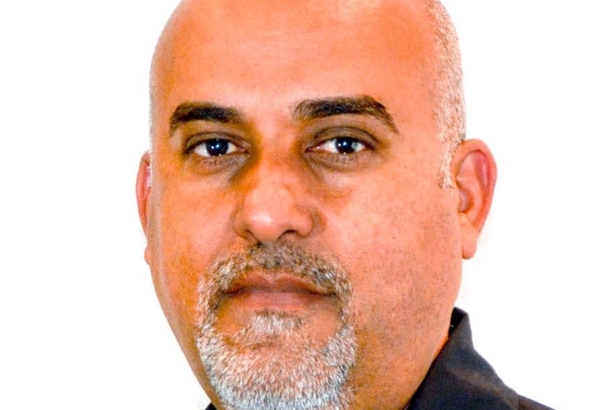
*Damian McHugh, Chief Marketing Officer at Momentum Health







 Insurance Biz proudly displays the "FAIR" stamp of the Press Council of South Africa, indicating our commitment to adhere to the Code of Ethics for Print and online media which prescribes that our reportage is truthful, accurate and fair. Should you wish to lodge a complaint about our news coverage, please lodge a complaint on the Press Council's website, www.presscouncil.org.za or email the complaint to enquiries@ombudsman.org.za. Contact the Press Council on 011 4843612.
Leave a Comment