

Retirement no longer the finish line as older South Africans seek new sources of income
Johannesburg - For a growing number of working South Africans aged 50 and over, retirement is increasingly about finding new ways to earn rather than simply stopping work. Many are turning to entrepreneurship and additional income streams to strengthen their financial security.
The latest Old Mutual Savings & Investment Monitor (OMSIM) highlights this shift amid mounting financial pressure and declining confidence in retirement preparedness.
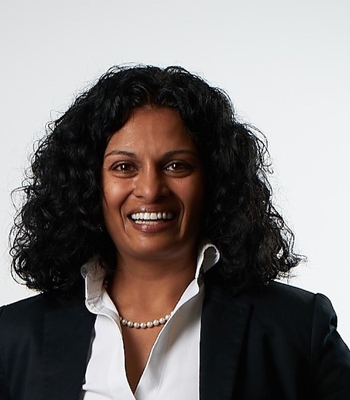
"With retirement savings under increasing pressure, people need to think about how they will earn an income in the future while still managing the financial demands of today and preparing for tomorrow," says Michelle Acton, Chief Customer Officer: Corporate at Old Mutual.
The study surveyed working South Africans aged 18 to 65 who earn at least R8,000 a month, and the analysis also focuses on individuals aged 50 and older who are retirement-facing.
Although retirement saving has increased in priority, rising seven percentage points to 43%, financial pressures are making it increasingly difficult for South Africans to prepare adequately.
A telling takeaway was that only 23% of retirement-facing South Africans believed their retirement savings would be sufficient, down from 32% in 2025. Among those currently saving for retirement, just 24% felt comfortably on track to meet their goals, while fewer than one in ten had already reached their retirement savings target.
Older working South Africans report the lowest levels of economic confidence across the age groups surveyed, at just 35%. Only 53% are optimistic about their personal financial futures, compared with 78% of those aged 30 to 49 and 90% of younger respondents.
Financial stress has risen from 33% to 38%, while almost half (48%) are constantly concerned about losing their jobs. Income security has consequently become a greater priority, increasing from 54% in 2025 to 64% in 2026.
"These findings highlight the challenges faced by individuals with fewer working years to rebuild savings or recover from financial setbacks," says Acton.
Entrepreneurship and additional income streams gain momentum
Despite these challenges, the research shows that older South Africans are actively seeking opportunities to strengthen their financial position.
One-third (33%) of retirement-facing respondents are full or part owners of a business. Among these business owners, 59% identify their business as their primary source of income, a figure significantly higher than among younger business owners. Nearly two-thirds (63%) operate formally registered businesses.
However, business performance remains a concern. Only 49% of older business owners report improved performance over the past year, compared with 75% across the wider working market. The research also identifies growing participation in Poly-Jobbing, where individuals pursue additional income streams alongside their primary occupation. Some 41% of retirement-facing respondents now report supplementary sources of income, up ten percentage points from 2025.
"This suggests that older South Africans are increasingly looking beyond traditional employment and retirement savings to secure their financial futures," notes Acton.
"While additional income can help individuals preserve retirement savings for longer and reduce their reliance on accumulated investments, sustainable income generation and sound financial planning remain essential."
Immediate financial pressures threaten retirement savings
The challenge is that older South Africans are pursuing these opportunities while managing increasingly strained household finances.
Only 33% strongly agree that they are saving consistently as part of their financial plan, compared with 44% of the overall working population.
Almost four in ten (39%) have dipped into savings to make ends meet, up from 34% in 2025. The proportion cashing in investments earlier than planned has also risen, from 11% to 16%.
Expense management remains a priority, with 55% identifying expense reduction as a key financial objective. Nevertheless, 70% report overspending, up from 60% in 2025.
Debt adds further pressure, with 43% who frequently worry about debt.
These competing demands illustrate the difficulty of preserving retirement savings while meeting immediate financial obligations.
Financial advice is critical to navigating retirement
As retirement-facing South Africans balance these priorities, access to trusted financial advice becomes increasingly important. Only 26% strongly believe they have their financial future under control, compared with 38% of the overall workforce. While 42% report having a financial adviser, four in ten remain unsure whom to approach for financial advice.
The research also indicates growing interest in technology. Among respondents aged 50 and over, 38% use general AI chatbots for financial guidance. Retirement planning and simplifying tax-related complexity are among the top topics for those seeking financial information via AI.
"The findings reinforce the need for retirement planning that accommodates evolving employment patterns, entrepreneurship and supplementary income. For many older South Africans, retirement is no longer necessarily the end of economic participation. However, turning additional earning opportunities into lasting financial security requires disciplined saving, sustainable income strategies and access to appropriate financial guidance," concludes Acton.



 Insurance Biz proudly displays the "FAIR" stamp of the Press Council of South Africa, indicating our commitment to adhere to the Code of Ethics for Print and online media which prescribes that our reportage is truthful, accurate and fair. Should you wish to lodge a complaint about our news coverage, please lodge a complaint on the Press Council's website, www.presscouncil.org.za or email the complaint to enquiries@ombudsman.org.za. Contact the Press Council on 011 4843612.
Leave a Comment