
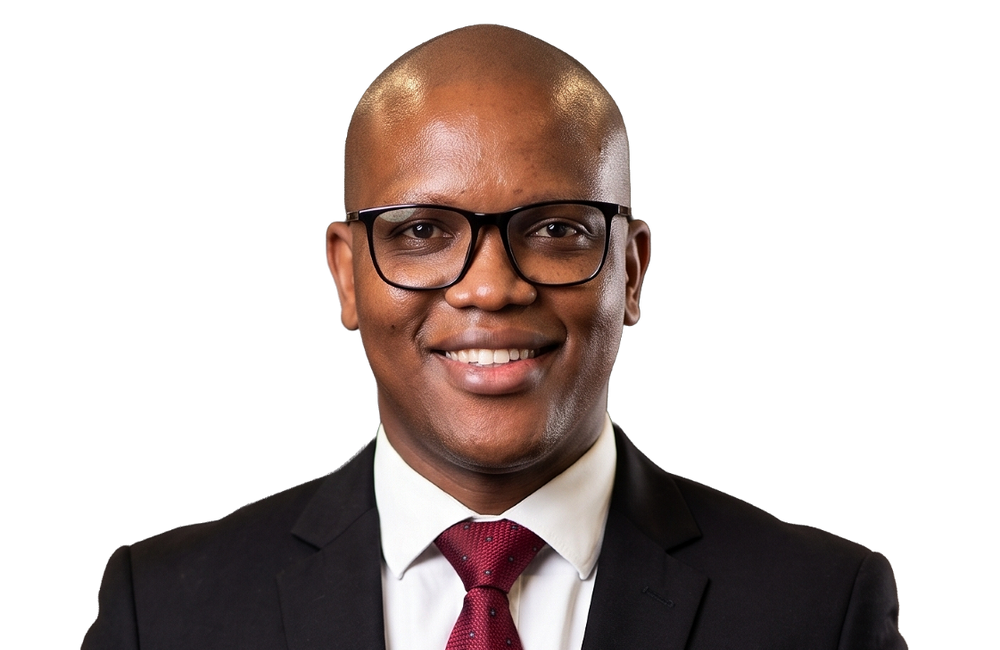
Paul Mafisa | Retirement is no longer a savings problem, it's an income problem
The biggest retirement risk facing South Africans today is not dying too young. It is living much longer than their money was ever designed to last. A person retiring at 65 today could realistically need their savings to provide an income until age 95 or beyond. Yet many South Africans still approach retirement as a target date rather than a decades-long journey.
For generations, retirement planning revolved around a simple question: How much money do I need to retire?
Today, a more important question is emerging:
How long can my income last?
Retirement is increasingly becoming the longest financial phase of a person's life. As life expectancy rises, the challenge is no longer simply accumulating capital. It is turning that capital into an income that can support a lifestyle for 30 years or more.
Why longevity changes the rules
Many people spend years preparing financially for retirement day but far fewer prepare for retirement year twenty-five and that distinction matters. A retirement that lasts three decades places pressure on savings in ways previous generations did not face with inflation steadily eroding purchasing power and healthcare costs becoming more significant later in life. The result is that retirement planning can no longer focus solely on growing a portfolio, equal attention must be given to how that portfolio will generate sustainable income throughout retirement. The conversation is shifting from building wealth to building income resilience.
The Two-Pot system and the preservation challenge
South Africa's Two-Pot retirement system has brought retirement savings into everyday financial conversations, the ability to access a portion of retirement savings during times of financial pressure offers valuable flexibility. For many households, that access can provide critical relief during unexpected life events, however at the same time, the system highlights a reality that is often overlooked: every retirement decision made today affects the income those savings may need to generate decades from now.
A withdrawal does not only reduce today's balance, but it also reduces the future growth that balance could have generated over time. In an environment where retirement may last thirty years or more, preserving retirement capital becomes less about restricting access and more about protecting future income.
What income design looks like
Consider a retiree entering retirement with R5 million in savings. At a 5% drawdown rate, that portfolio would initially provide an annual income of approximately R250,000 before investment growth and inflation are taken into account.
The challenge is not whether R5 million sounds like a large amount of money today, the challenge is whether that income remains sustainable twenty or thirty years from now as living costs, healthcare expenses and personal needs evolve.
This is why retirement planning is becoming more nuanced. A living annuity may offer flexibility and growth potential. Guaranteed income solutions can provide certainty and protection against longevity risk. Increasingly, advisers are helping clients evaluate how different solutions can work together to support a sustainable income over the long term.
The goal is not simply to maximise returns, the goal is to also create an income strategy that remains resilient long after retirement begins.
Connecting risk, protection and retirement
One of the biggest misconceptions in financial planning is that retirement and risk protection are separate conversations. "The mistake many corporate employers and individual savers make is treating risk and retirement as completely separate silos," says Paul Mafisa, Business Development Manager at ASI Financial Services.
"In reality, they are interconnected. If an employee suffers a disability or critical illness mid-career without adequate risk cover, their retirement savings trajectory is immediately derailed. Conversely, if a retirement portfolio lacks the right inflation-beating asset classes as life expectancy expands, that individual faces severe financial vulnerability down the line." His observation highlights an important reality: retirement outcomes are shaped by far more than investment performance alone, a good retirement strategy requires wealth creation, risk protection and long-term income planning to work together.
The new retirement question
As retirement horizons continue to lengthen, individuals should be asking different questions of their financial plans.
- How resilient is my income if markets experience prolonged volatility?
- How will rising healthcare costs affect my lifestyle twenty years from now?
- And perhaps most importantly: if I live longer than expected, will my income keep pace?
For decades, retirement success was measured by the size of a retirement fund. Today, it is increasingly measured by the resilience of the income that fund can generate because in a world where retirement may last thirty years or more, the ultimate challenge is no longer accumulating enough wealth, tt is designing an income that lasts.
*Paul Mafisa is Business Development Manager at ASI Financial Services.






 Insurance Biz proudly displays the "FAIR" stamp of the Press Council of South Africa, indicating our commitment to adhere to the Code of Ethics for Print and online media which prescribes that our reportage is truthful, accurate and fair. Should you wish to lodge a complaint about our news coverage, please lodge a complaint on the Press Council's website, www.presscouncil.org.za or email the complaint to enquiries@ombudsman.org.za. Contact the Press Council on 011 4843612.
Leave a Comment